💡 Telecom Site Installation
Best Practices for Quality, Safety, and Reliable Commissioning
Telecom site installation is a critical phase in network deployment. Every successful rollout depends on proper planning, safe execution, correct cable routing, accurate commissioning, and strict quality control. A strong installation process reduces rework, protects field teams, and improves long-term service reliability.
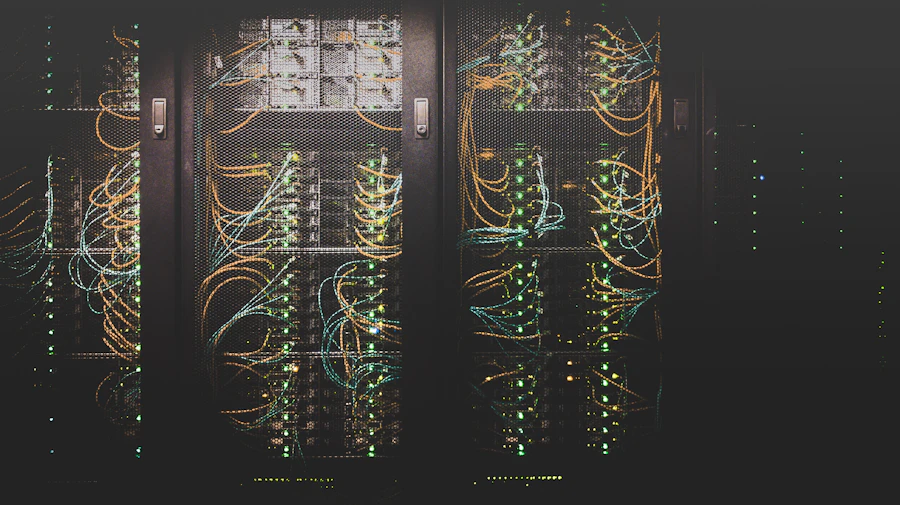
Site Readiness
A good installation starts before the first hardware is mounted. Site readiness ensures the team works with the correct documentation, access, safety conditions, and materials.
- Verify scope of work and design package
- Confirm access, permits, and safety rules
- Check civil, electrical, and RF conditions
- Ensure all tools and test equipment are ready
Safety First
Safety is not optional. Field teams must work with proper PPE, hazard awareness, exclusion zones, and compliance with site-specific procedures.
- PPE and site induction required
- Risk assessment before commissioning
- Electrical and RF isolation checks
- Incident reporting and corrective action
Quality Assurance
Installation quality directly affects performance, availability, and maintenance costs. Consistency in procedures reduces troubleshooting later.
- Follow manufacturer installation manuals
- Use proper torque and fastening values
- Validate cable routing and grounding
- Document each step with evidence
📝 Pre-Installation Planning
Before any equipment is installed, engineering and field teams should review the site layout, network design, equipment list, and commissioning plan. This allows the team to identify constraints such as cable length limits, grounding requirements, and equipment weight before work begins.
A strong pre-installation review includes verifying civil conditions, checking mounting structures, confirming power availability, and validating the availability of test equipment. This minimizes delays and avoids rework on site.
🦺 Safety and Site Compliance
Telecom installation often occurs in active environments with electrical hazards, elevated structures, RF exposure, and adverse weather. Safety procedures must be followed from arrival at site to final sign-off.
- Use proper PPE such as helmets, gloves, eye protection, and high-visibility clothing.
- Perform risk assessment before any excavation, lifting, or live work activity.
- Respect isolation, lockout, and permit-to-work requirements where necessary.
- Keep clear access routes for emergency response and maintenance crews.
- Document near-miss events and corrective measures immediately.
🔧 Installation Best Practices
Physical installation quality is one of the biggest drivers of long-term site reliability. The correct placement, mounting, grounding, and cable handling must be consistent across all installations.
- Install equipment on compliant, stable, and properly prepared structures.
- Use approved fasteners, torque values, and mounting accessories only.
- Ensure proper grounding and lightning protection according to standards.
- Route cables carefully to prevent strain, sharp bends, or possible damage.
- Use proper labeling for each port, feeder, patch, and cabinet section.
- Keep service paths tidy and accessible for future maintenance.
💡 RF and Fiber Handling
RF and fiber installations are especially sensitive to contamination, poor connectors, and mechanical stress. Even minor issues may degrade signal quality and create hard-to-diagnose faults.
- Inspect all RF connectors before installation.
- Use approved cleaning kits for optical connectors and ports.
- Verify connector torque and mechanical integrity after installation.
- Check for insertion loss and return loss where required.
- Protect outdoor fiber and RF runs from UV, water, vibration, and abrasion.
✅ Commissioning and Verification
Commissioning confirms that the installed equipment works exactly as designed. It is the final validation that the site is ready for service and performance acceptance.
- Power-up equipment in the correct sequence.
- Validate alarms, logs, and software status after activation.
- Check signal levels, optical power, and RF performance against expected values.
- Confirm all installed hardware is visible and correctly integrated in the network.
- Document test results and attach evidence for QA sign-off.
📊 Common Installation Mistakes
Several recurring issues can be avoided with better discipline and quality control:
- Improper grounding or lightning protection.
- Loose fasteners or damaged mounting brackets.
- Poor cable routing or sharp bends in fibers or RF feeders.
- Dirty or poorly terminated optical connectors.
- Missing labels and incomplete as-built documentation.
- Skipping final commissioning verification before handover.
🏁 Final Recommendation
Telecom site installation is not only about putting hardware in place. It is about delivering a safe, compliant, quality-assured, and performance-ready network asset.
When teams follow structured procedures, record evidence, and verify each stage before proceeding, the result is fewer failures, lower maintenance cost, and better end-user experience.
The best installation practice is simple: plan well, work safely, install correctly, verify thoroughly, and document everything.